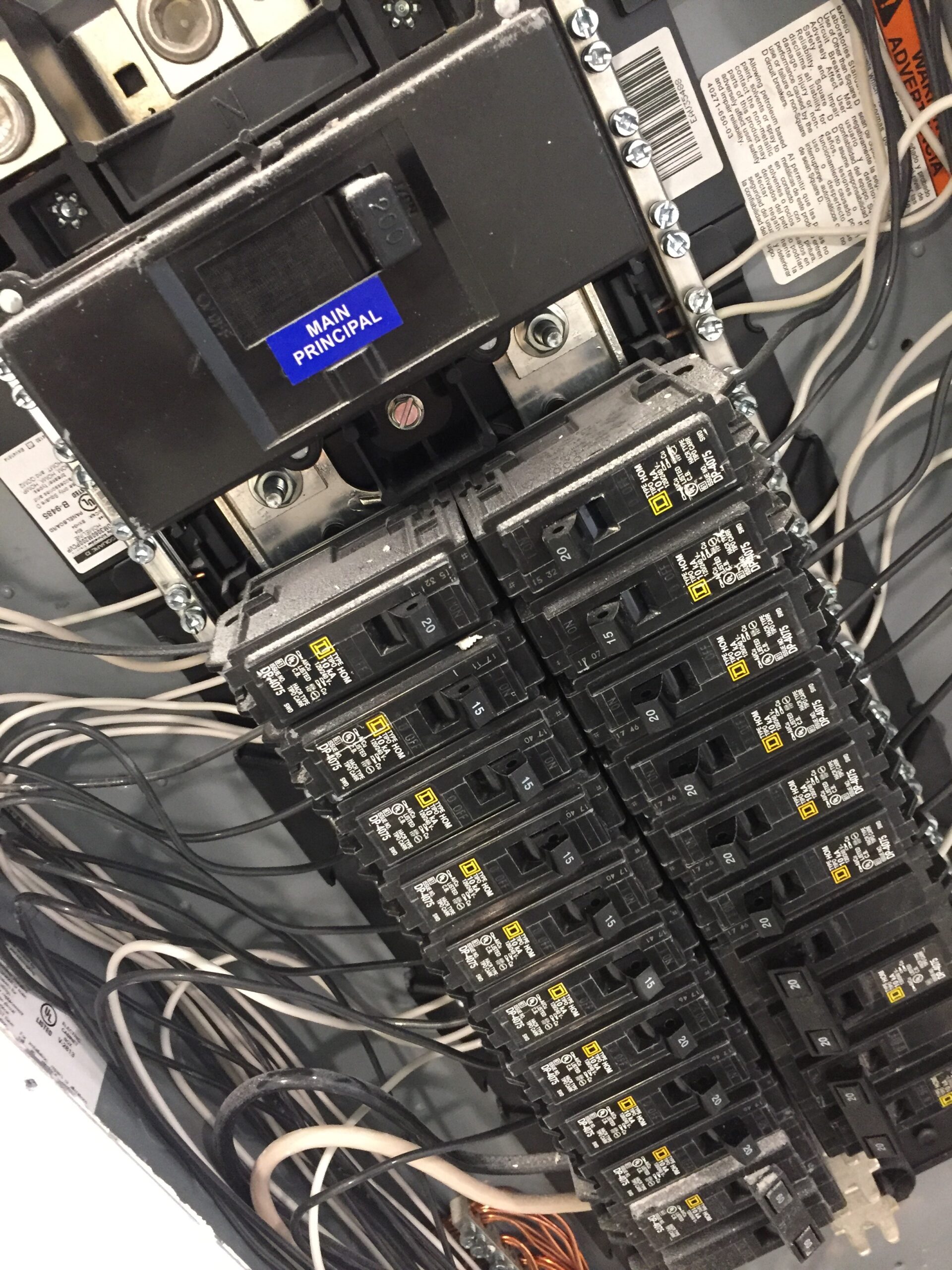
Your home’s electrical panel is the heart of its electrical system, the central hub responsible for safely distributing power to every outlet, light switch, and appliance. Yet, it’s one of the most overlooked components in a household. For many homeowners in Jeffersonville, IN, the panel works silently in the background until a problem arises. But waiting for a problem can be a costly and dangerous mistake.
The electrical demands of modern homes have grown exponentially. We rely on a vast array of electronics, high-powered kitchen appliances, and, increasingly, technology like electric vehicle (EV) chargers. An outdated electrical panel not only struggles to keep up with these demands but can also pose significant safety risks, including electrical fires. Staying compliant with current electrical codes is not just a matter of regulation; it’s about ensuring your home and family are safe.
At Diversified Solutions, we specialize in expert electrical panel upgrades. We understand the unique electrical needs of homes in the Jeffersonville area and are committed to providing safe, reliable, and code-compliant solutions that power your life today and in the future.
What an Electrical Panel Does
Think of your electrical panel as the traffic controller for your home’s electricity. Power flows from the utility line into your home and directly to the panel. From there, the panel divides this main electrical feed into smaller, protected circuits that power different areas and appliances in your house. Each circuit is protected by a circuit breaker or, in much older homes, a fuse.
The primary role of these breakers or fuses is protection. If you plug in too many devices on one circuit or an appliance malfunctions and draws too much current, the breaker will “trip” (or the fuse will “blow”), instantly cutting off the power to that circuit. This prevents the wiring from overheating, which could otherwise lead to a dangerous fire.

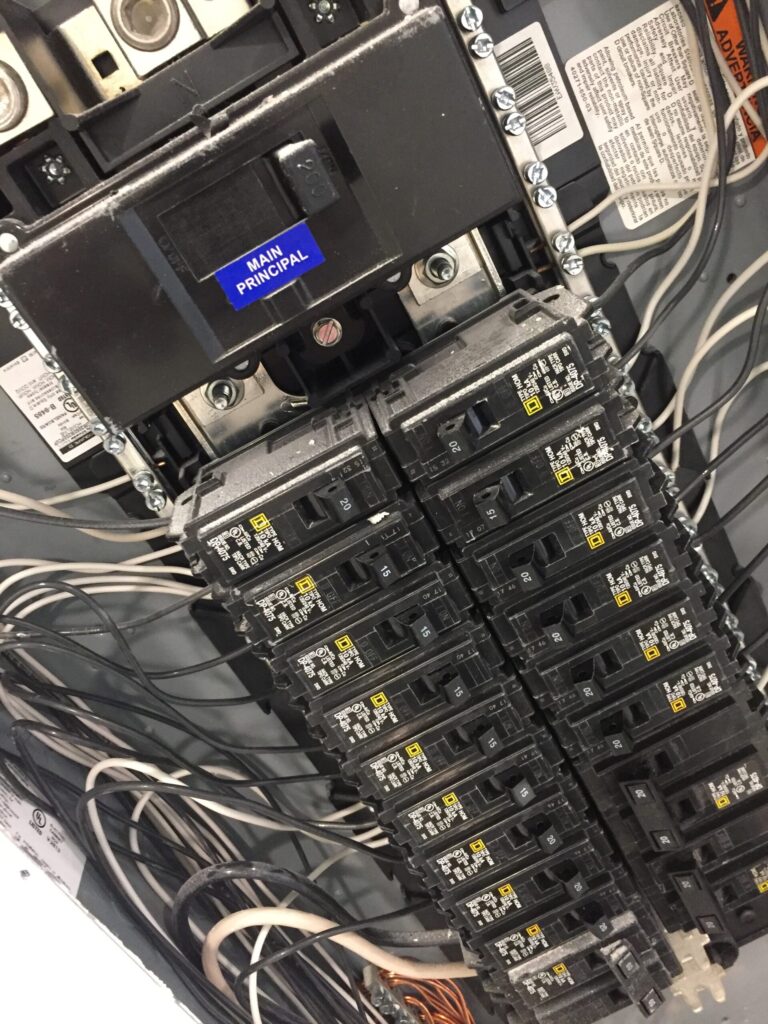
A key distinction to understand is the difference between a modern circuit breaker panel and an outdated fuse box. Fuse boxes were the standard in homes built before the 1960s. They use single-use fuses that contain a thin wire designed to melt and break the circuit when overloaded. When a fuse blows, it must be completely replaced. Modern panels use circuit breakers, which are switches that automatically trip when they detect an overload. They can be easily reset by flipping the switch back to the “on” position once the overload issue is resolved, making them far more convenient and safer.
As you add more technology and appliances to your home, your power needs grow. The capacity of your electrical panel, measured in amperes (amps), determines how much total power your home can safely use at one time. An undersized panel will constantly struggle to meet these demands, leading to a host of problems.
Top Signs Your Panel Is Outdated
How can you tell if your electrical panel is struggling to keep up? Your electrical system will often give you clear warning signs that an upgrade is needed. Ignoring them can lead to bigger problems down the road.
Frequent breaker trips or blown fuses: This is the most common and obvious sign of an overloaded system. While a breaker might trip occasionally, frequent occurrences are a red flag. It means your panel is consistently being asked to deliver more power than it can safely handle.
Flickering or dimming lights: Have you ever noticed the lights dim when you turn on the microwave or a vacuum cleaner? This indicates that a high-demand appliance is drawing so much power that it’s straining the circuit, causing a temporary voltage drop. While it might seem like a minor annoyance, it’s a symptom of an electrical system working at or beyond its capacity.
Overreliance on extension cords or power strips: If you find yourself using power strips and extension cords in every room just to accommodate your devices, it’s a strong indicator that your home’s electrical infrastructure is insufficient. Your system was likely not designed with enough outlets or circuits to handle the modern load, and daisy-chaining power strips can create a serious fire hazard by overloading a single outlet.
Buzzing sounds or burning smells from outlets or the panel: These are urgent warning signs that require immediate attention from a licensed electrician. A buzzing or humming sound from your electrical panel can indicate a loose wire or a breaker that is failing. A burning smell suggests that wires are overheating and melting their plastic insulation, which is a precursor to an electrical fire. Do not ignore these signals.
Home still has a 60-amp or 100-amp panel: In the mid-20th century, 60-amp service was the standard. Today, the bare minimum for most homes is 100 amps, but with modern appliances and electronics, 200-amp service is now the recommended standard for most new homes and remodels. A 60-amp panel is simply not equipped to safely power a contemporary household and should be upgraded immediately. A 100-amp panel may be adequate for a smaller home with gas appliances, but it can be easily overwhelmed by central air conditioning, electric ranges, and EV chargers.
Lack of available space for new circuits: If you open your panel and see that all the breaker slots are full, you have no room for expansion. This becomes a significant issue if you plan a home renovation, want to add a dedicated circuit for a new appliance like a hot tub or a high-powered tool in the garage, or need to install an EV charger. An upgrade will provide the necessary space for your home’s future electrical needs.
Heat-producing appliances causing system overload: Appliances that generate heat, such as space heaters, toasters, hair dryers, and electric ranges, draw a significant amount of power. If using one of these appliances regularly trips a breaker, it’s a clear sign your panel and wiring are not up to the task.
The Risks of Delaying a Panel Upgrade
Putting off an electrical panel upgrade isn’t just an inconvenience; it’s a gamble with your safety and your finances. An outdated panel is not a passive component but an active risk within your walls.
Increased fire hazard: This is the most critical risk. Old panels, especially fuse boxes or specific brands known for failure (like Federal Pacific and Zinsco), have a higher rate of malfunction. Breakers can fail to trip during an overload, allowing wiring to overheat to dangerous temperatures, melt its protective sheathing, and ignite surrounding materials like wood and insulation. According to the National Fire Protection Association, electrical failures or malfunctions are a leading cause of home fires.
Possible appliance damage: The inconsistent power delivery and voltage fluctuations common with an overloaded panel can wreak havoc on your sensitive modern electronics. Computers, smart TVs, and even major appliances with electronic control boards can be damaged by sudden power surges or drops, leading to expensive repairs or premature replacement.
Home insurance complications: Many insurance companies are aware of the risks associated with outdated electrical systems. Some may refuse to insure a home with a 60-amp service or a fuse box. Others may charge significantly higher premiums. If an electrical fire does occur and it’s traced back to a known-to-be-faulty or outdated panel, your provider could deny your claim, leaving you with the full financial burden.
Failing home inspections or permit issues during remodels: If you plan to sell your home, an outdated electrical panel is a major red flag for home inspectors and potential buyers. It will almost certainly become a point of negotiation, often forcing you to upgrade it before the sale can proceed. Furthermore, if you’re planning a significant remodel or addition, building codes will require that your electrical system be brought up to current standards, which almost always necessitates a panel upgrade.
Benefits of Upgrading Your Electrical Panel
Investing in a new electrical panel is an investment in the safety, functionality, and value of your home. The peace of mind and practical advantages are substantial.
Improved safety and code compliance: A modern panel with new circuit breakers provides superior protection against overloads, short circuits, and dangerous arc faults (a common cause of electrical fires). This brings your home up to current National Electrical Code (NEC) standards, ensuring the highest level of safety for you and your family.
Support for high-demand appliances, EV chargers, and future upgrades: A 200-amp panel provides the robust capacity needed to run multiple major appliances simultaneously without issue. It gives you the power you need for a new central air conditioning unit, a modern electric kitchen, or a workshop in the garage. Crucially, it future-proofs your home, ensuring you can easily add technologies like an electric vehicle charger without overhauling your entire system again.
Increased home value and smoother remodeling projects: A new electrical panel is a significant selling point. It tells potential buyers that the home’s electrical system is safe, modern, and ready for their needs. This can increase your home’s market value and make for a smoother, faster sale. For those staying put, it removes a major hurdle for future renovations, making the process simpler and more predictable.
Reduced stress and fewer power interruptions: Say goodbye to the frustration of constantly resetting tripped breakers or worrying about which appliances you can use at the same time. A modern panel delivers consistent, reliable power, allowing you to enjoy your home and all its amenities without the stress of an overloaded electrical system.
Why You Need a Licensed Contractor
An electrical panel upgrade is a complex task that should never be treated as a DIY project. The work involves handling the main power feed to your home, which carries a lethal voltage, and requires a deep understanding of electrical codes, precise load calculations, and proper installation techniques. For these reasons, hiring a qualified, licensed electrician is non-negotiable. A licensed contractor like Diversified Solutions ensures the job is done correctly and safely from start to finish. We are fully insured and bonded, and our team is thoroughly versed in all local and national codes. This not only protects you from liability but also guarantees the work will pass any required inspections, preventing the risk of an amateur installation that could lead to immediate danger and costly future repairs.
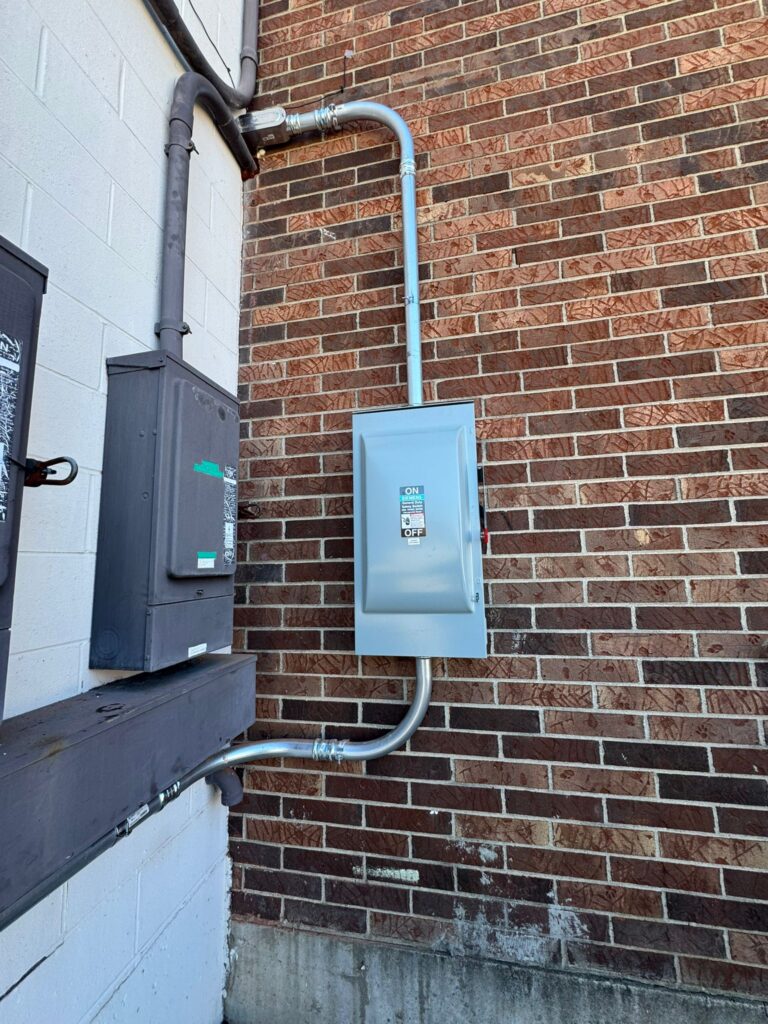
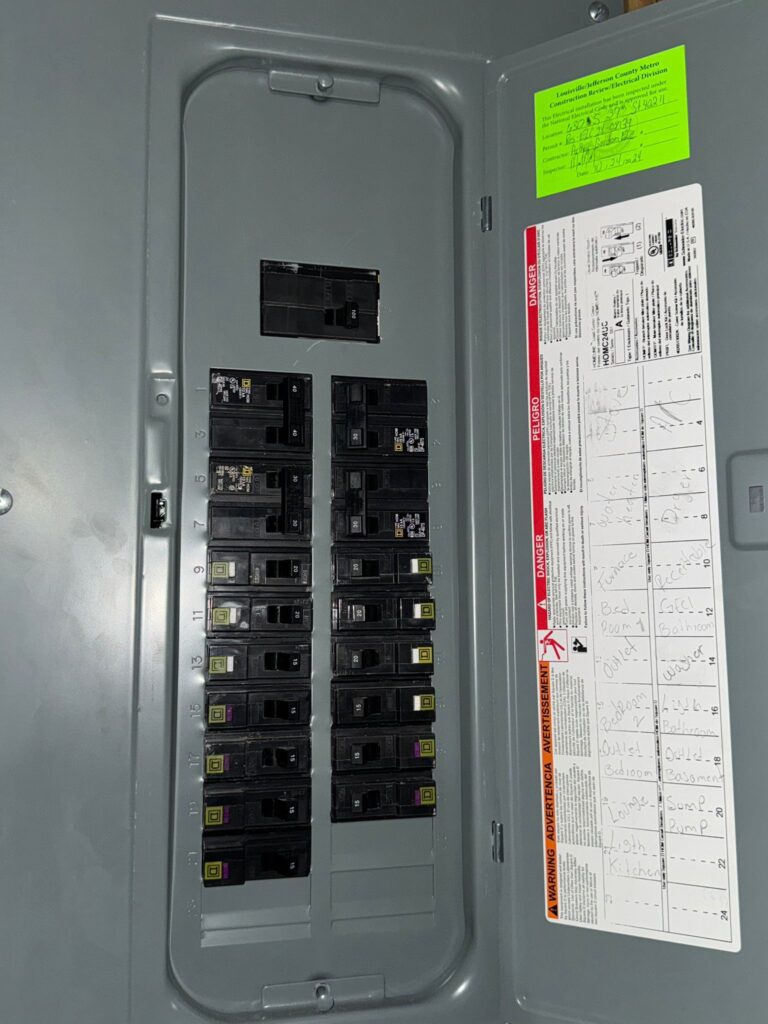
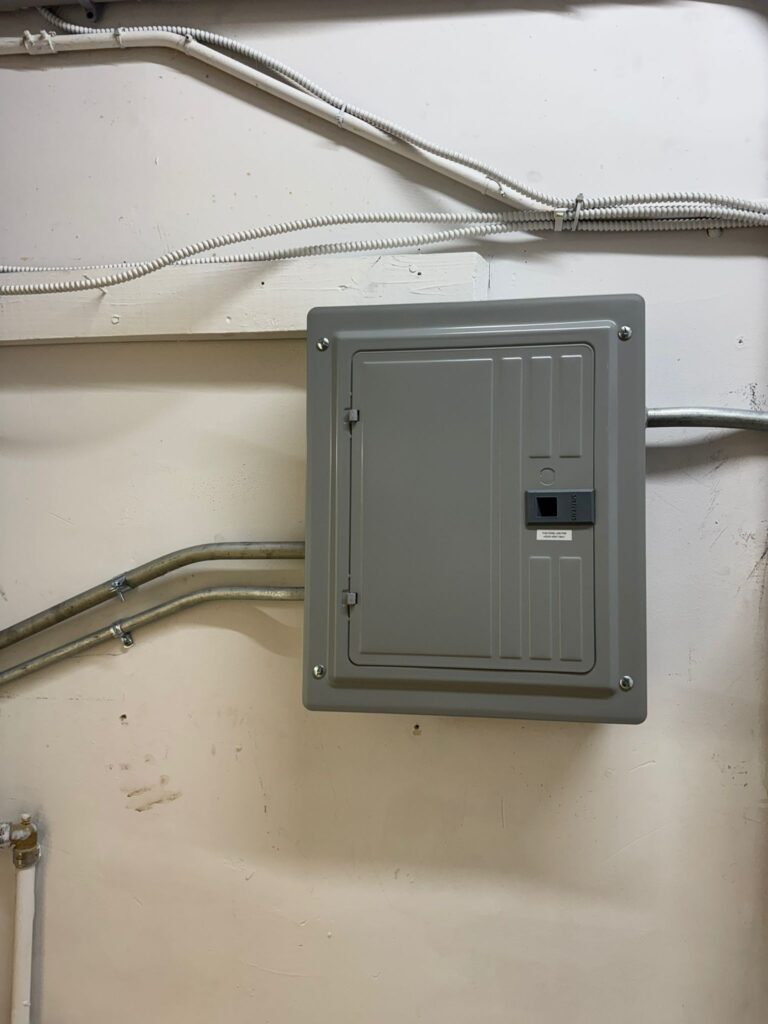
The upgrade process itself is systematic and designed to minimize disruption. It begins with a professional inspection of your current system to determine the appropriate panel size for your home’s unique power requirements. Our team handles all the necessary permits from the city of Jeffersonville, so you don’t have to worry about the paperwork. On the scheduled day, we coordinate directly with the utility provider to temporarily shut off power. Our electricians will then safely remove the old panel, install the new one, connect every circuit, and clearly label the entire panel for your convenience. After the installation is complete, power is restored, and we rigorously test the system to ensure everything functions perfectly and safely. Most panel upgrades are completed within a single day.
At Diversified Solutions, safety is the foundation of every project we undertake. Our electricians are highly trained professionals who adhere to the strictest safety protocols in the industry. We use only high-quality, reliable materials and ensure every installation meets or exceeds all current code requirements. This commitment provides you with a robust, modern electrical system that you can depend on for decades to come, powering your home safely and efficiently.
Your electrical panel is the unsung hero of your home, but an outdated one can be a silent threat. Frequent breaker trips, flickering lights, a reliance on power strips, and strange sounds or smells are not minor quirks, they are clear warnings that your electrical system is dangerously overloaded. Delaying an upgrade increases the risk of fire, damages your valuable appliances, and can create significant hurdles when you try to sell or remodel your home.
Don’t wait until you have a serious problem. If you recognize any of these signs in your home, the time to act is now. Investing in a panel upgrade is a proactive step toward protecting your family, your property, and your peace of mind.