
When thinking about home improvements, homeowners often prioritize aesthetics or comfort. While a new kitchen or updated living room is exciting, the most critical upgrades are often the ones you do not see. These are the enhancements that focus on safety, working silently in the background to protect your property, your finances, and most importantly, your family. A truly comfortable home is one where you feel secure. Prioritizing safety is not about preparing for the worst-case scenario; it is about creating a secure environment where accidents, injuries, and costly damage are far less likely to happen.
Smart safety upgrades are a proactive investment in your home’s longevity and your family’s well-being. From modernizing an outdated electrical system to prevent fires, to installing outdoor lighting that deters crime, these improvements address the root causes of common household hazards. At Diversified Solutions, we provide a comprehensive range of services designed to address these core safety needs for homeowners in Jeffersonville, IN, and the surrounding areas. This guide will walk through the essential upgrades that form the foundation of a truly safe and secure home.
Electrical Safety Upgrades
The electrical system is the nerve center of a modern home, but when it is outdated or faulty, it becomes one of the most significant hidden dangers. Electrical malfunctions are a leading cause of residential fires, and many of these incidents are preventable with timely upgrades.
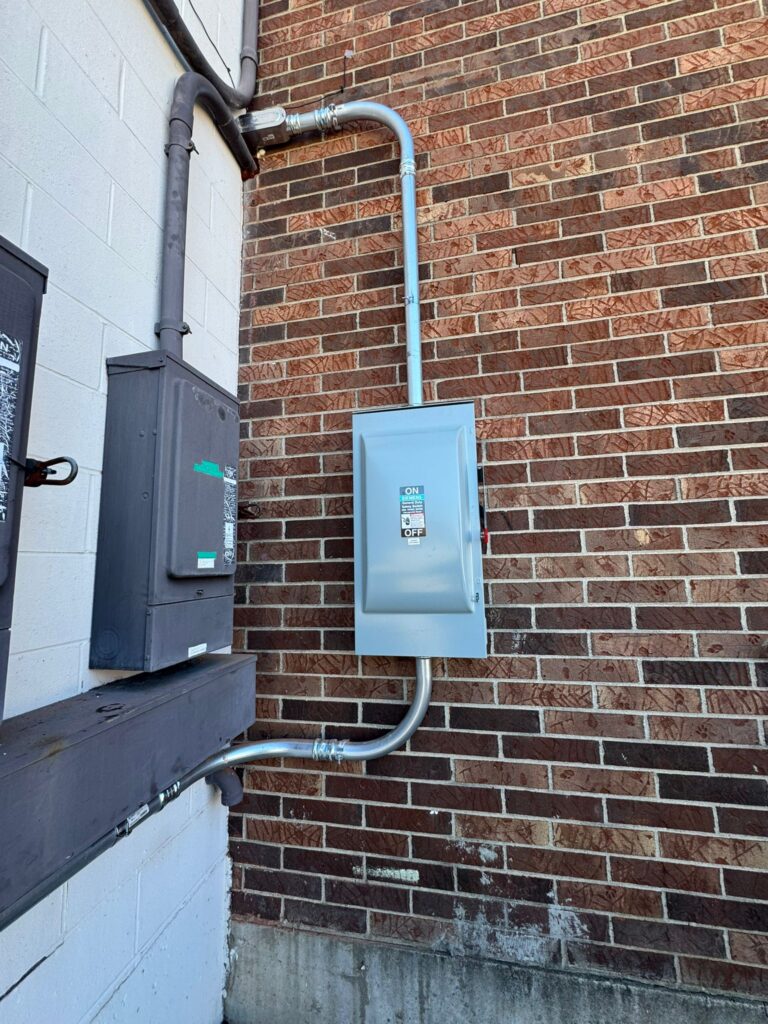
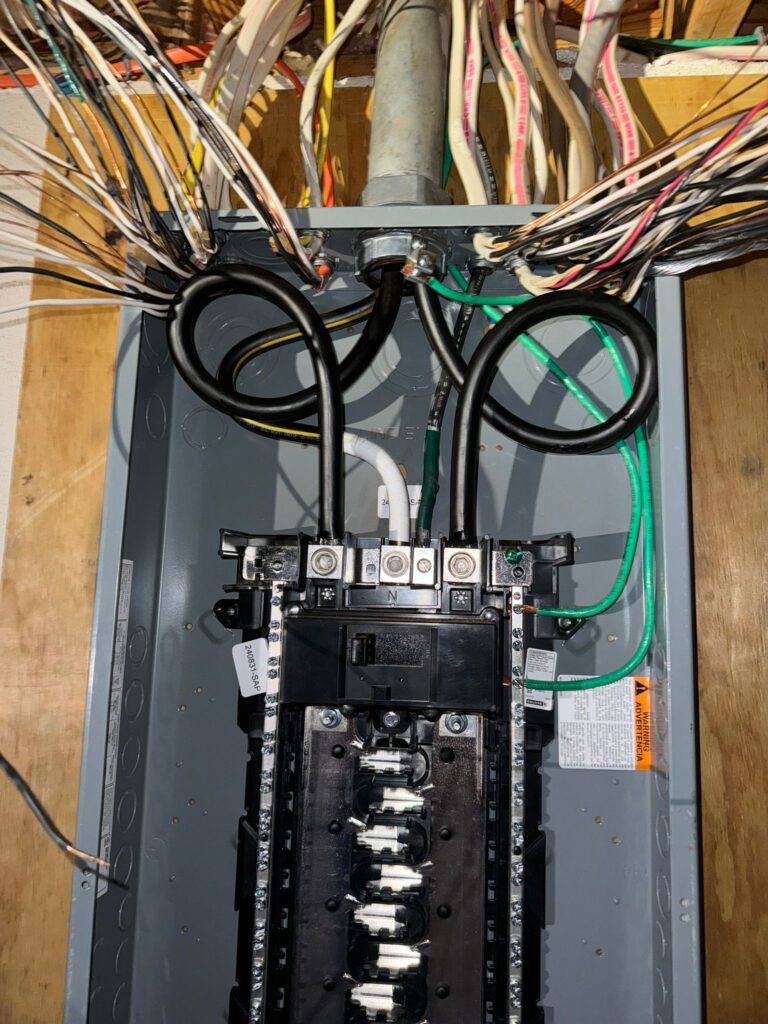
An outdated electrical panel is a primary concern. The panel, or breaker box, is responsible for distributing power throughout your home and shutting circuits off in case of an overload. Older homes may still have panels with a capacity of 60 or 100 amps, which is often insufficient for the demands of today’s electronics, appliances, and HVAC systems. An overloaded panel is a serious fire risk. Its internal components can overheat, or its breakers may fail to trip, allowing wiring in your walls to reach dangerous temperatures. Furthermore, certain brands of older panels are known to have high failure rates and are no longer considered safe by today’s standards. Upgrading to a modern 200-amp panel ensures your system can handle the load safely and provides reliable protection against overloads.
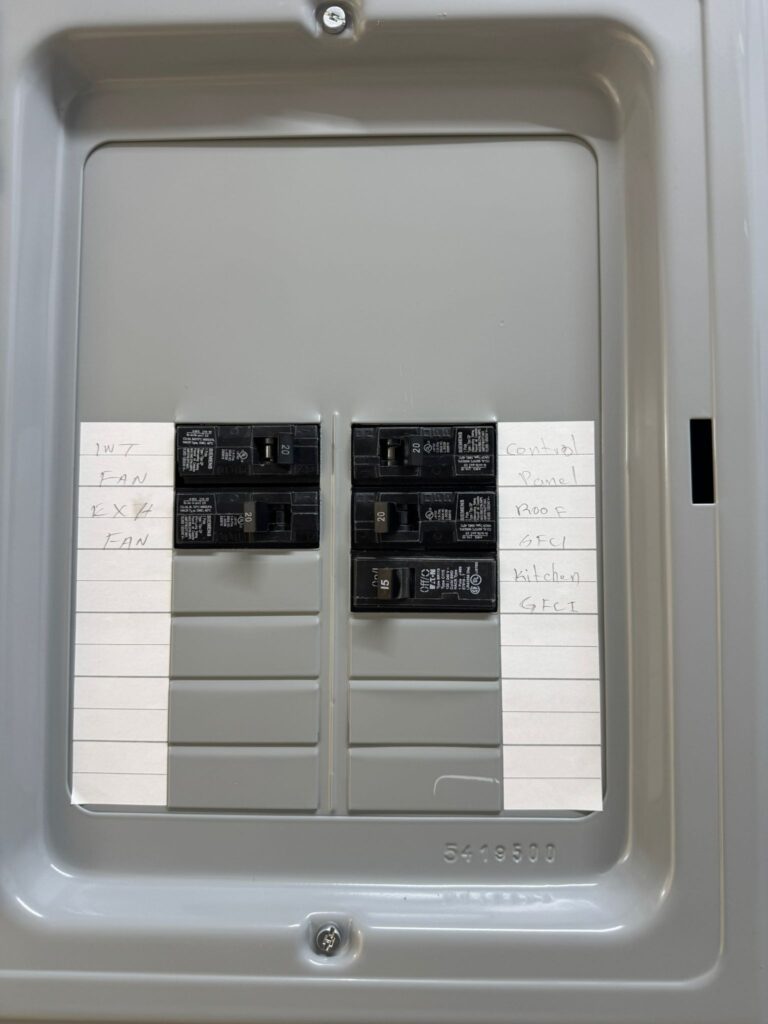
Another critical electrical upgrade is the installation of Ground Fault Circuit Interrupter (GFCI) outlets. A GFCI outlet is a life-saving device that constantly monitors the flow of electricity. If it detects even a minor imbalance, indicating that electricity is traveling along an unintended path (like through a person), it instantly cuts the power to that outlet. This rapid shutdown can prevent a severe or fatal electric shock. The National Electrical Code requires GFCI protection in all areas where electricity and water may come into contact, including kitchens, bathrooms, laundry rooms, garages, and all outdoor receptacles. If your home was built before these codes were strictly enforced, you may be missing this vital protection in key areas.
Finally, a whole-home surge protector is an essential safeguard for your valuable electronics and appliances. While small power strips offer some protection, a whole-home device is installed at your electrical panel to protect your entire house from powerful electrical surges. These surges can come from external sources, like lightning strikes or utility grid fluctuations, or from internal sources, like large appliances cycling on and off. A single strong surge can destroy computers, smart TVs, and even the sensitive electronic control boards in your refrigerator, oven, and HVAC system. A whole-home surge protector is a relatively inexpensive investment that shields every outlet in your home, preventing thousands of dollars in potential damage.
Security and Outdoor Lighting
A dark, unlit property presents an open invitation to intruders and creates numerous safety hazards for your family and guests. A well-designed outdoor lighting system is one of the most effective and affordable ways to enhance your home’s security and prevent accidents.
Motion-activated lighting is a powerful crime deterrent. These fixtures remain off until they detect movement, at which point they flood the area with bright light. This sudden illumination can startle a potential intruder, eliminating the cover of darkness and making them feel exposed, which is often enough to send them elsewhere. Strategically placing motion-activated lights near entry points like doors and windows, as well as over driveways and backyards, creates a strong first line of defense for your home. Beyond security, this lighting also improves nighttime visibility for your family, safely lighting your path as you arrive home after dark.
In addition to motion-activated fixtures, low-voltage landscape and pathway lighting is crucial for safe movement around your property at night. Properly illuminating walkways, steps, and changes in elevation significantly reduces the risk of trips, slips, and falls. These subtle lights guide your way without creating harsh glare, ensuring that you and your guests can navigate your yard safely. A well-lit path from the driveway to the front door is not only welcoming but also a fundamental safety feature, especially for older adults or anyone with mobility challenges. By eliminating dark spots and clearly defining pathways, you create a much safer outdoor environment.
Roofing and Structural Safety
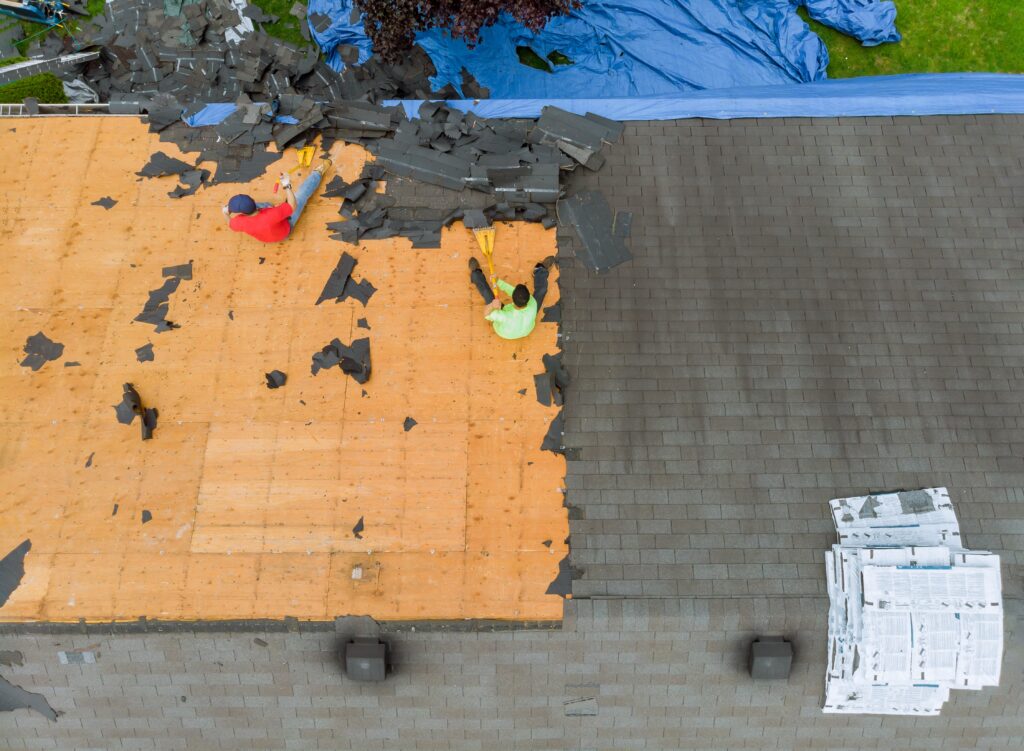
Your roof is your home’s primary shield against the elements. When it is compromised, it puts the entire structure at risk. Delaying roof repairs or a necessary replacement can lead to a cascade of expensive and dangerous problems. A single missing shingle or a crack in the flashing can allow water to seep into your attic, where it can rot the wooden decking, saturate insulation, and promote the growth of hazardous mold. Over time, this moisture can work its way down into your ceilings and walls, causing extensive damage that is far more costly to fix than the original roof issue.
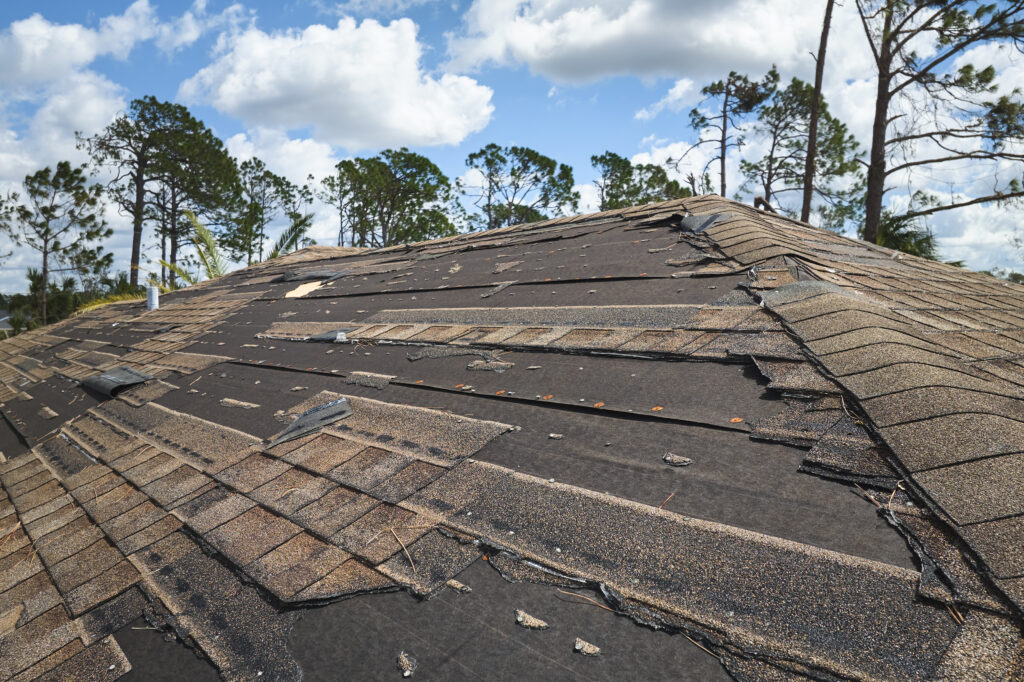
The roof’s support systems, including the gutters and siding, are also critical to structural safety. Gutters are designed to collect rainwater and channel it safely away from your home’s foundation. If they are clogged with debris or damaged, water can overflow and saturate the ground next to your foundation, leading to soil erosion and potential foundation cracks. Damaged siding, whether it has cracks, gaps, or missing sections, creates another entry point for water intrusion. Wind-driven rain can get behind the siding and soak the sheathing and wall studs, leading to rot and compromising the structural integrity of your walls.
The key to avoiding these large-scale problems is proactive maintenance. A seasonal inspection, especially after major storms, allows you to catch issues early. A professional can identify loose shingles, damaged flashing, or clogged gutters before they lead to significant water damage. This preventative approach is the most effective way to ensure your home’s structural components remain sound, protecting your property from the top down.
Accessibility and Fall Prevention Upgrades
Home safety also means ensuring the environment is safe for every person who lives there, regardless of their age or mobility. Falls are a leading cause of injury in the home, particularly for older adults. Simple, thoughtful upgrades can dramatically reduce this risk and allow family members to age in place safely and comfortably.
Installing sturdy handrails on both sides of all stairways is one of the most effective fall prevention measures. In bathrooms, the risk is even higher due to wet surfaces. Adding grab bars in the shower, tub, and near the toilet provides crucial support. Other bathroom safety features include walk-in tubs or zero-threshold showers, which eliminate the need to step over a high ledge.
For those with more significant mobility challenges, such as wheelchair users, more extensive modifications may be needed. This can include widening doorways to at least 32 inches, installing ramps for accessible entry, and lowering countertops and light switches to a reachable height. These types of improvements are sometimes referred to as Specially Adapted Housing (SAH) modifications. Creating a living environment that is free of barriers is fundamental to promoting independence and preventing injuries.
Tree and Yard Safety
The trees and landscaping around your home can enhance its beauty, but they can also pose a significant safety risk if not properly managed. Large, overhanging tree limbs are a major threat during high winds, ice storms, or heavy snow. A falling limb can crash through your roof, damage your siding, or bring down power lines, leading to expensive repairs and dangerous situations. Dead or dying trees are even more hazardous, as they can topple over entirely with little warning.
Professional tree pruning or removal is an essential safety measure. An arborist can identify weak, diseased, or overgrown limbs that pose a threat to your home and safely remove them. This not only protects your property but also improves the overall health of the tree. In cases where a tree is dead or structurally unsound, complete removal is the only safe option.
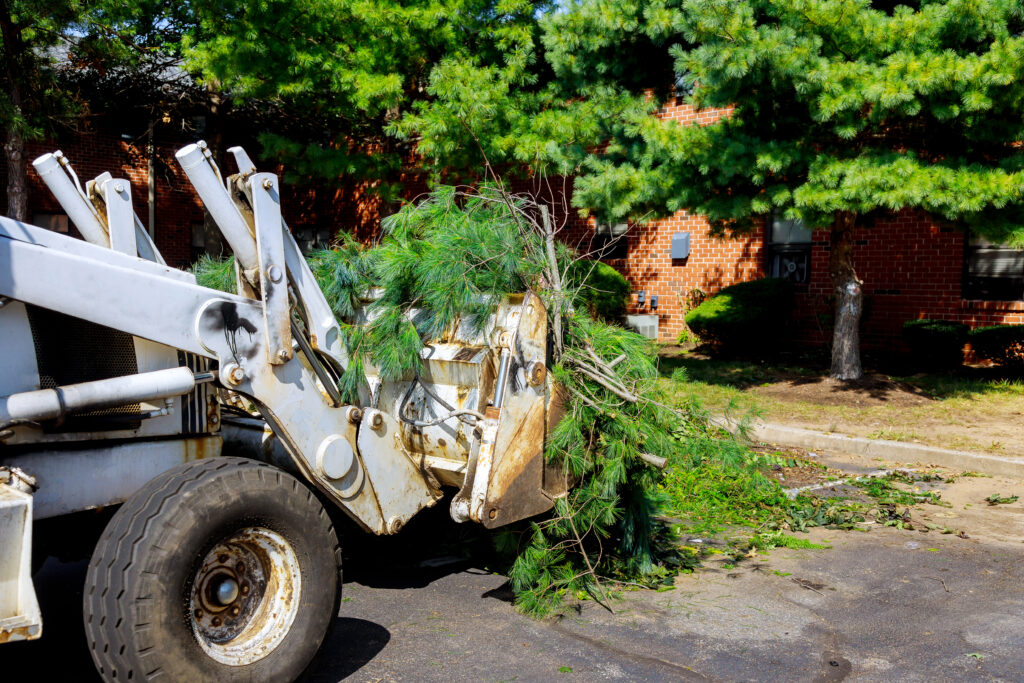


Beyond storm damage, yard management also plays a role in safety. For homeowners with large or wooded lots, land clearing can be a crucial step in reducing fire hazards by creating a defensible space around the home. For those planning new construction, such as a home addition or a new outbuilding, proper land clearing and grading ensure a safe and stable foundation for the project.
Ensuring your home is a safe haven requires a proactive approach. The most important upgrades are often those that address the core systems of your property: its electrical wiring, its structural envelope, and its overall security. By upgrading an outdated electrical panel, installing GFCI outlets, and adding effective outdoor lighting, you can mitigate the risks of fire and crime. By maintaining your roof, gutters, and trees, you protect your home from water damage and structural failure. Finally, by incorporating accessibility features, you create a safe environment for every member of your family.
Take a moment to walk through your property and assess your home’s current safety measures. Are there areas for improvement? Waiting for an accident or a system failure is a reactive strategy that often leads to higher costs and greater stress. If you are ready to make your home a safer place, contact Diversified Solutions. Our team of experts in Jeffersonville, IN, is ready to provide a safety-focused home improvement consultation. We can help you identify potential hazards and recommend the best solutions to protect your home and your family for years to come.